

 Hrvatski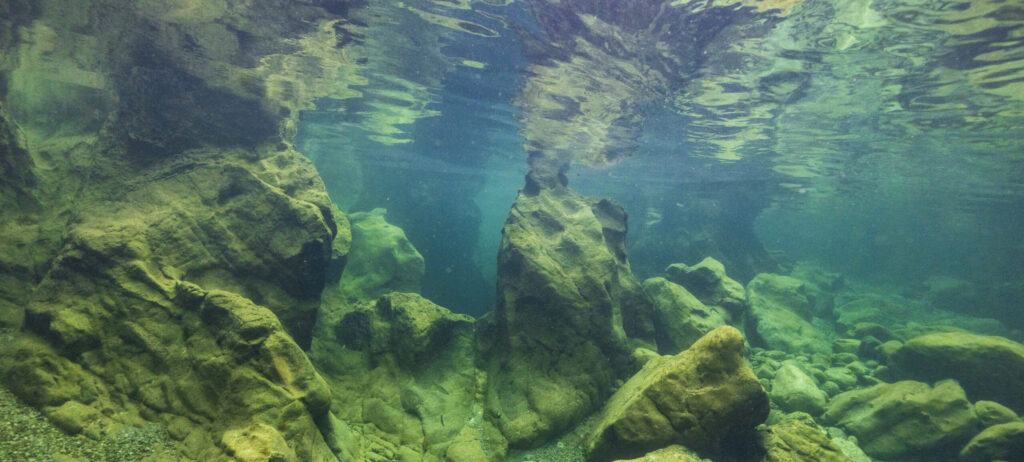
Did you know that one fish species lives only in a single Croatian lake, and nowhere else on Earth?
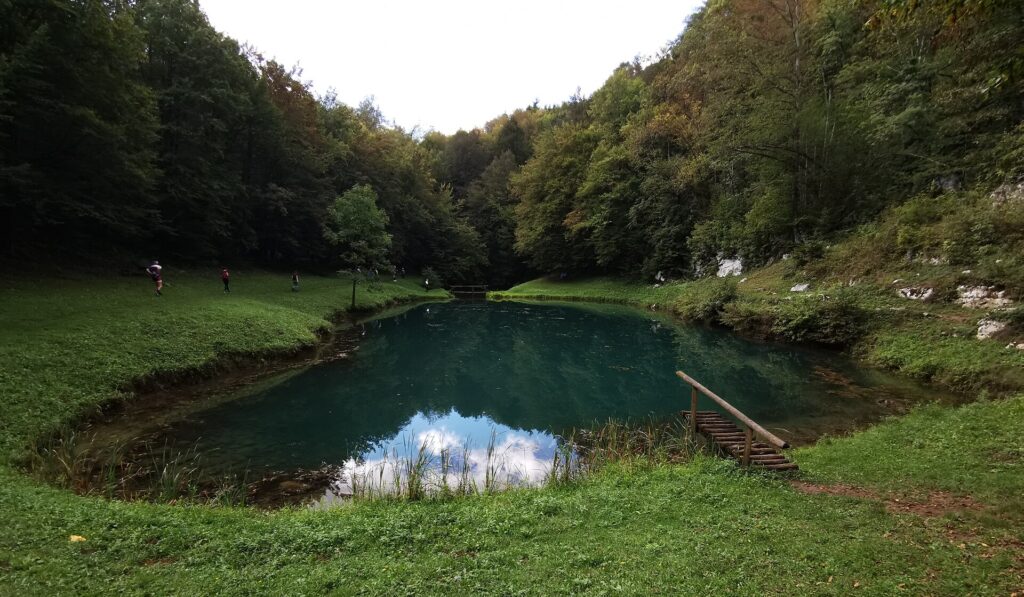
The Croatian riffle dace (Telestes polylepis) survives in only one confirmed location, the Šmitovo Lake drainage. It’s just one of many remarkable endemic species of the Balkans, Europe’s unique biodiversity hotspot.
What are endemic species and what makes them special?
Endemic species are organisms that occur naturally in only one specific geographic area. Because they are found nowhere else, they often have unique adaptations, that make them especially valuable for biodiversity.
However, these characteristics also make them highly vulnerable. Climate change, habitat loss, pollution, and other environmental pressures can quickly threaten their survival, increasing their risk of endangerment or extinction.

Why there are so many endemic species in the Balkans?
The Balkans are considered as one of Europe’s biodiversity hotspots, especially when it comes to endemic species, and there are several reasons help explain why. During the last Ice Age, much of southern Europe, including the Balkans, escaped extensive glaciation. As a result, the region became a refuge for many species that disappeared elsewhere. The region is also known for their widespread karst landscape, shaped by limestone bedrock, underground water systems, caves and fragmented terrain. These conditions created numerous isolated microhabitats where species could evolve independently. Finally, the Balkans lie at the intersection of the Mediterranean, Central Europe, and Alpine regions. This meeting point of different climates and habitats has allowed species from different biogeographic areas to meet, mix, and diversify over time.
Together, these factors have turned the Balkans into an “evolutionary museum,” a place where unique species have developed and persisted for thousands of years.
This is particularly important for freshwater biodiversity. Underground waters and dense networks of streams and rivers support a high diversity of fish species. One example is the softmouth trout (Salmo obtusirostris). Endemic species that can be found in Croatia, Bosnia and Herzegovina and Montenegro, only in rivers Jadro, Vrljika, Neretva and Zeta (and Žrnovnica, where it was introduced by humans).
Today, softmouth trout faces many threats, including river barriers, illegal fishing, invasive species, construction on riverbanks, wastewater pollution and the loss of riparian forests.
Protecting Endemic Species
Endemic species are more than just rare plants and animals, they are valuable indicators of ecosystem health. Protecting them also means safeguarding the broader biodiversity of the places they consider as home.
Because these species exist only in particular region, they are also part of its unique natural heritage. They represent particular evolutionary lineages and ecological characteristics that cannot be found elsewhere and cannot be replaced if lost. The extinction of an endemic species would mean the irreversible disappearance of biological and scientific value. For this reason, endemic species deserve special consideration when planning and implementing conservation measures.
Protecting ecosystems rich in endemic species can be challenging, yet, their rarity and uniqueness make this kind of conservation efforts all the more important.
Featured image: Mrtvica River. Photo © Bruno D’Amici/TNC