

 Hrvatski
Rivers naturally break down pollutants, but this ability is limited and easily exceeded by continuous human pressure. Rural areas face particular challenges, as their scattered settlements, difficult terrain, and high costs make centralized sewer systems impractical. Wastewater from these communities also varies greatly in flow and composition, requiring treatment systems that are simple, robust, and able to operate with minimal technical support.
What are Treatment Wetlands
Treatment wetlands (TWs) are a nature‑based solution that is highly suitable for rural wastewater treatment. Developed in the mid‑20th century and widely adopted since the 1980s, they use simple technology based on natural physical, chemical, and biological processes to purify wastewater. They are cost‑effective, low‑maintenance, and perform reliably even under fluctuating conditions, while at the same time efficiently removing organic matter, nutrients, pathogens, heavy metals, and certain micropollutants.
With low energy demands and seamless landscape integration, they offer a long‑term and sustainable option for individual households, apartments and holiday houses, hospitality facilities, and even small settlements.
How Treatment Wetlands Work
There are several types of TWs, and most systems start with a sedimentation tank. There the solids settle and partially break down before entering the wetland bed. Within the wetland:
- microorganisms carry out most of the pollutant removal and nutrient cycling
- plants (macrophytes) stabilize and aerate the substrate, maintain pore spaces, and support microbial activity
- physical and chemical processes such as filtration, sedimentation and adsorption further improve water quality
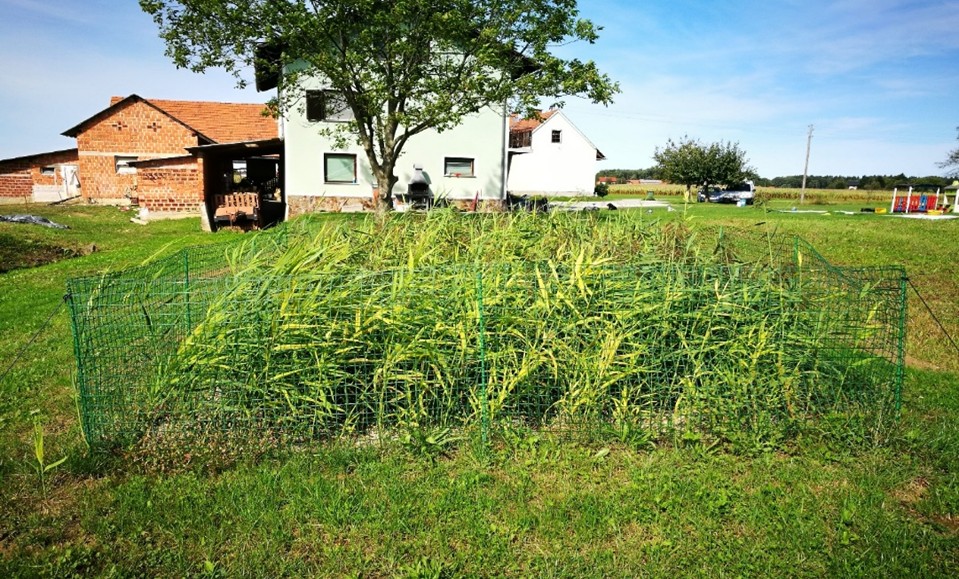
Since the water flows below the surface, the system doesn’t create odors or attract insects like mosquitoes, making it completely suitable for backyards or any nearby outdoor space. Although simple, treatment wetlands still require basic routine maintenance, including occasional sludge removal, cleaning of inlet and outlet pipes, vegetation management, and regular monitoring of effluent quality.
Our work
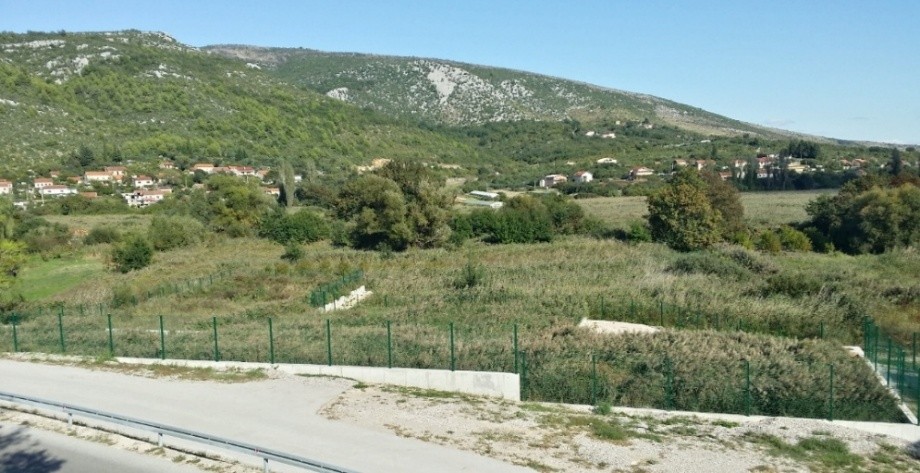
We are currently implementing a project to install TWs in the protected areas of the Mrežnica and Tounjčica rivers in Croatia. Over the course of this year, we will install seven treatment wetlands in households, hospitality facilities, and schools. The lack of wastewater treatments in rural areas surrounding rivers is significant, and we hope that this project represents a step toward improved management of wastewater, better protection of the Mrežnica and Tounjčica rivers and introduction to nature-based solutions for local communities. This project also aims to set a good practice example for other areas and rivers in the region.
If you want to learn more about treatment wetlands, please visit the document provided by Limnos d.o.o.: Treatment wetlands – detailed (PDF)
Image credits: Limnos d.o.o.