
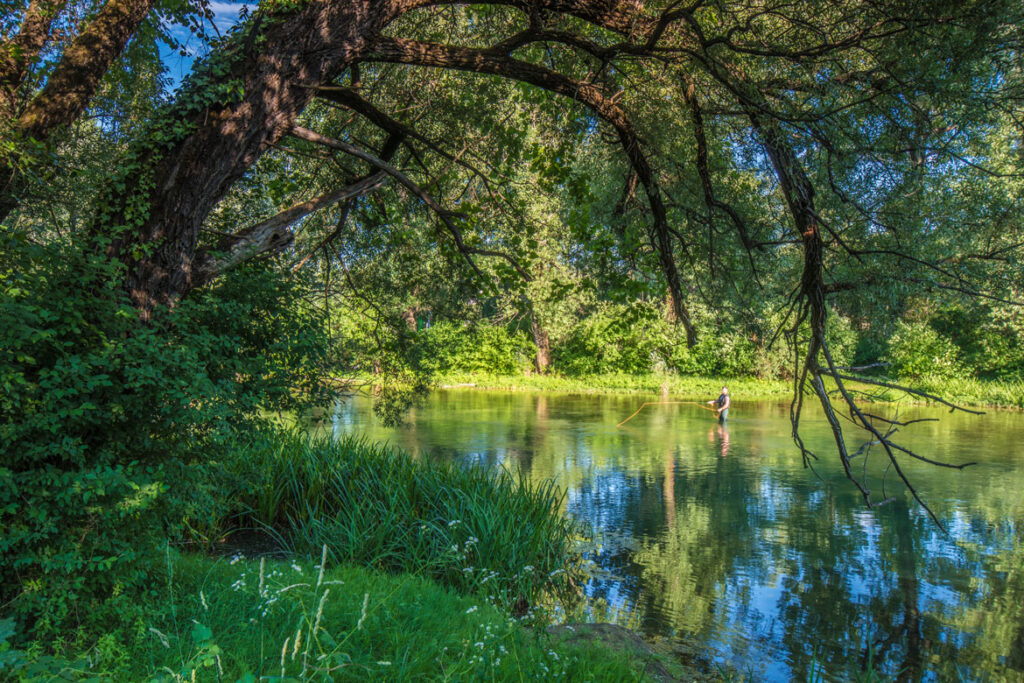
Monitoring management effectiveness is one of the key components of modern protected area management. It enables us to assess, based on objective data, whether the activities and measures we implement are actually contributing to nature conservation goals and whether management approaches need to be adjusted. Management is meaningful only when it is directed toward clearly […]
10
Nov
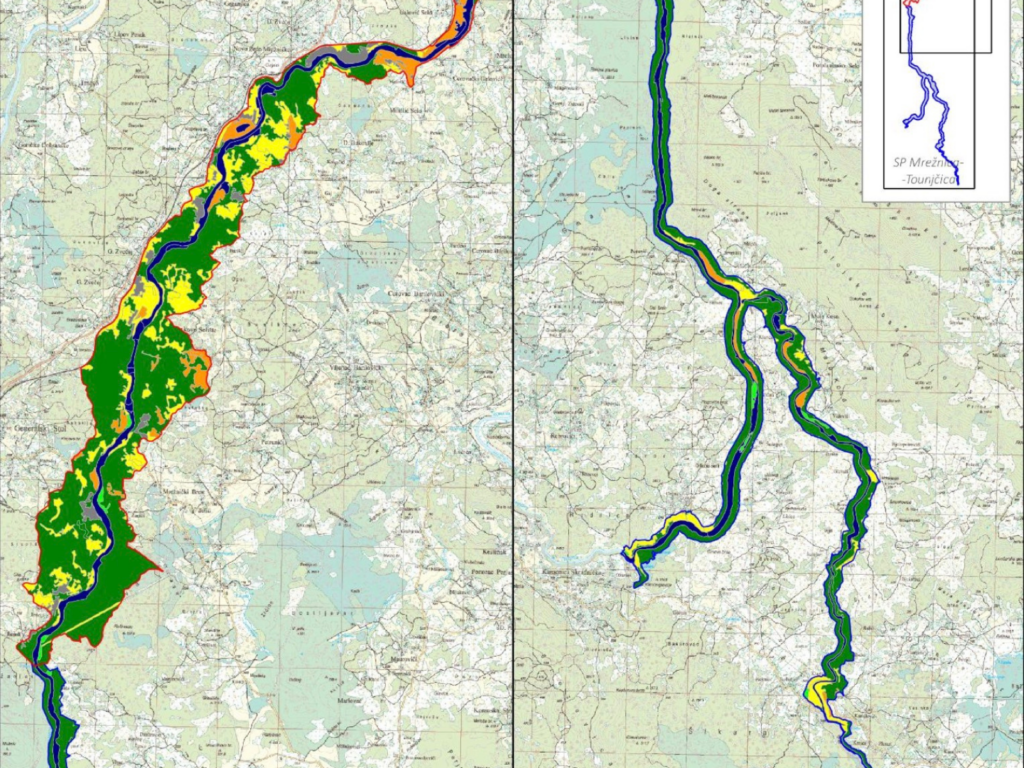
A Management Plan is the key strategic document that guides the protection, conservation, and development of a protected area. It defines how the area’s natural values will be preserved and enhanced, which activities should be carried out, and who is responsible for their implementation. It is a long-term planning document developed for a period of […]
04
Nov
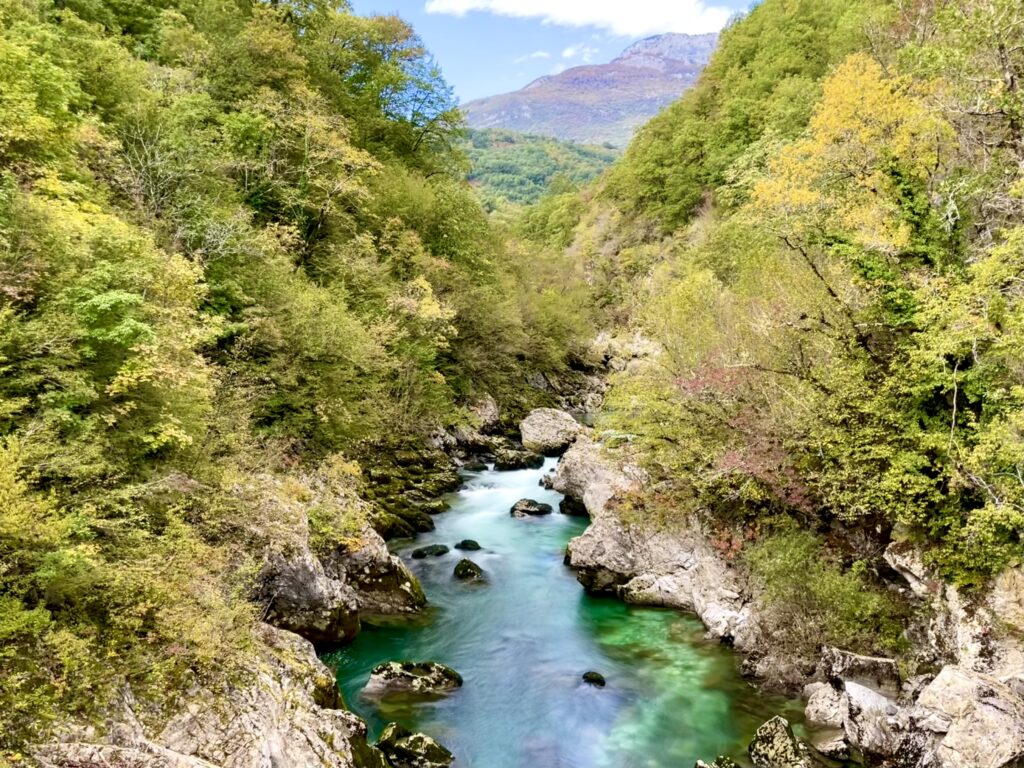
When people hear about nature protection, many immediately think of restrictions: that development will no longer be allowed, that farming activities will be curtailed, or that access to familiar areas will be limited. In reality, natureconservation is far more nuanced. Well-designed protection measures are not intended to stop life and development, but to ensure that […]
28
Oct
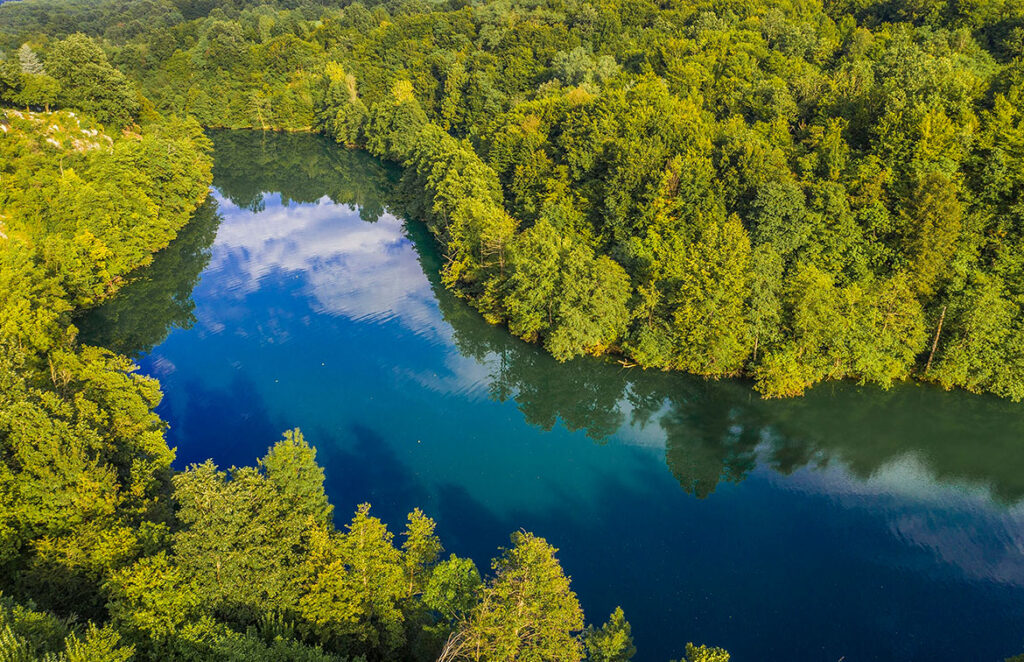
River management is often imagined as a formalised process of prohibition — for people living in communities along the rivers, that is usually the first thought the day after an area is declared protected. The reality is different, but to see it clearly we need to be precise about what management actually is. Declaring an […]
13
Oct
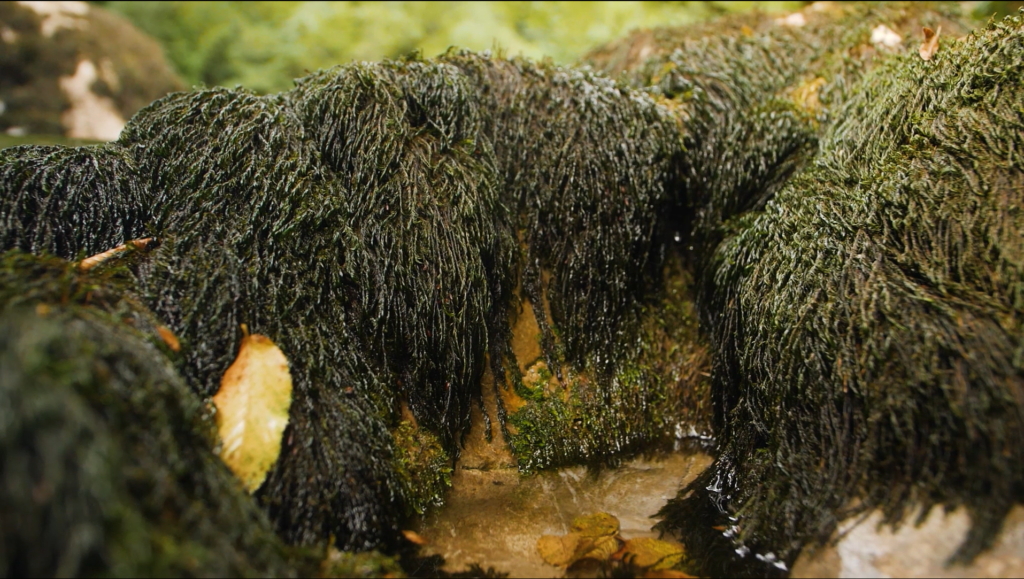
When we visit the Mrtvica Canyon, our attention is usually drawn to its emerald waters, steep cliffs, and countless waterfalls. However, one important element of this unique ecosystem is often left unnoticed. Mosses, the tiny green plants that cover rocks, riverbanks, and waterfalls, play a far greater role than it may seem at first glance. […]
23
Sep
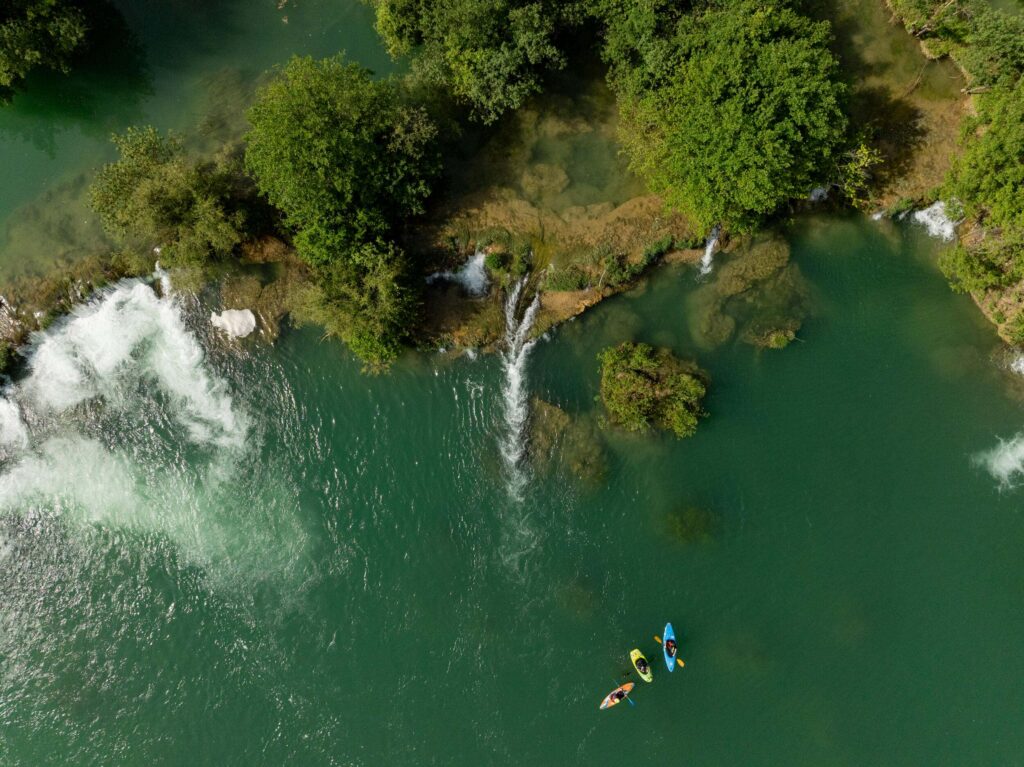
The Mrežnica and Tounjčica rivers are renowned for their stunning waterfalls, yet they are more fragile than they appear. New expert recommendations reveal the pressures they face and, more importantly, how we can help protect them. Mrežnica and Tounjčica are true natural treasures of Croatia, renowned for their crystal-clear waters, tufa waterfalls, and exceptional biodiversity. […]
03
Sep
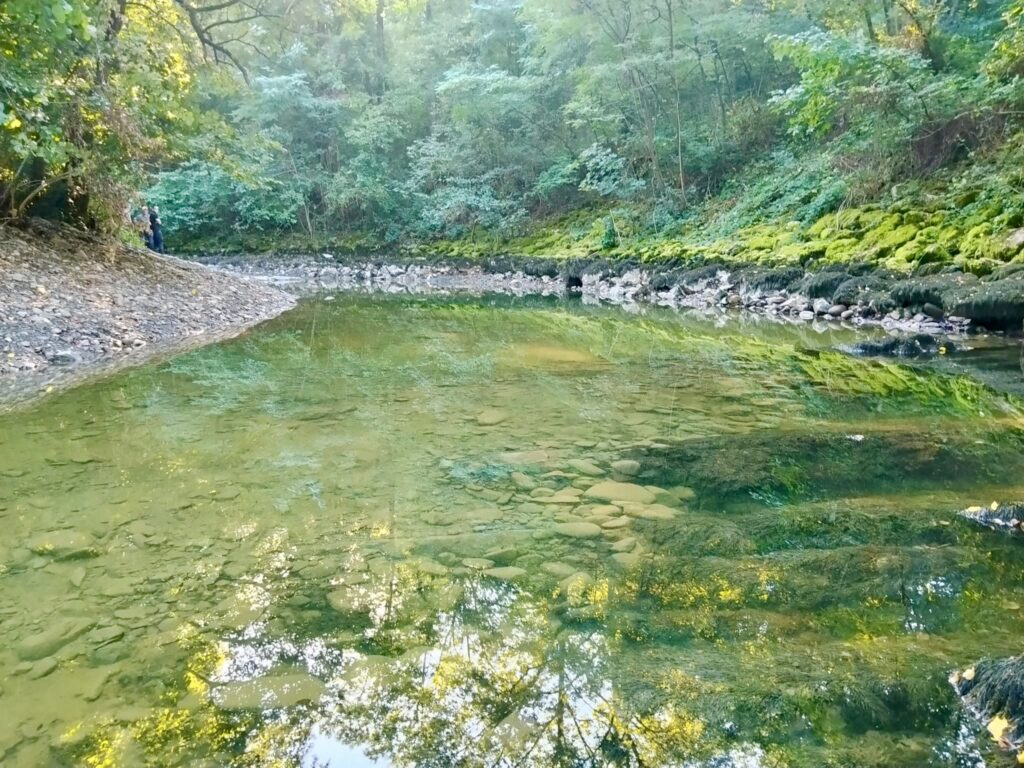
The Nature Conservancy (TNC), in cooperation with the Public Institution “Priroda” and Croatian Waters – the VGO for the Northern Adriatic Basins, conducted a pilot project for the restoration of part of the Rječina riverbed during August. The process removed 430 m³ of sediment and rock debris from the Črni vir microlocation in the upper […]
08
Jun
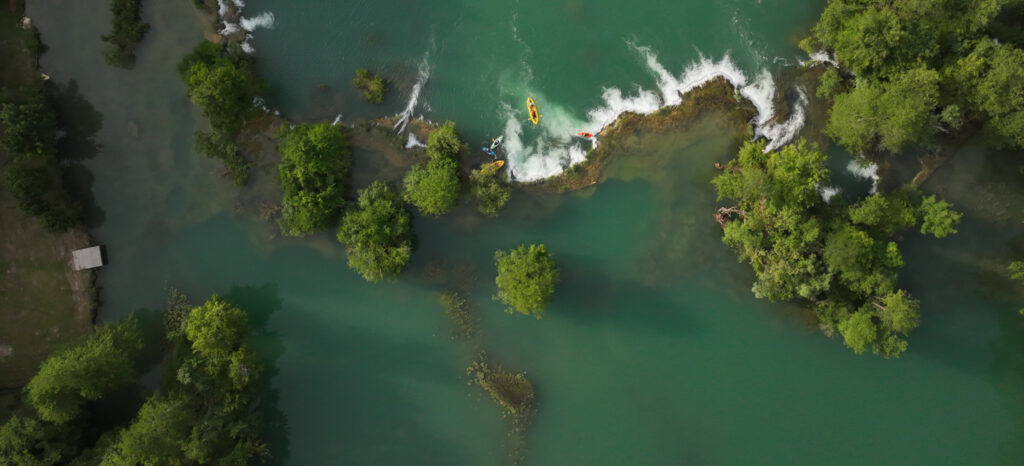
The Mrežnica and Tounjčica rivers in Croatia are among the most remarkable karst waterways in the region. Their travertine barriers form cascading waterfalls and tranquil pools, their canyon landscapes shelter rich plant and animal life, and their underground systems harbour unique cave-dwelling species found nowhere else. These ecosystems are not only exceptional, but also highly […]
26
Mar
Zagreb, 26 March – The signing of a Memorandum of Understanding (MoU) between the Nature for Water Facility (N4W), led by The Nature Conservancy’s Resilient Watersheds Strategy, and Croatian Forests Ltd (Hrvatske šume d.o.o.) marks the official launch of a new effort to protect Croatia’s water resources and strengthen the resilience of its most valuable […]
10
Feb
Rivers naturally break down pollutants, but this ability is limited and easily exceeded by continuous human pressure. Rural areas face particular challenges, as their scattered settlements, difficult terrain, and high costs make centralized sewer systems impractical. Wastewater from these communities also varies greatly in flow and composition, requiring treatment systems that are simple, robust, and […]
- 1
- 2