
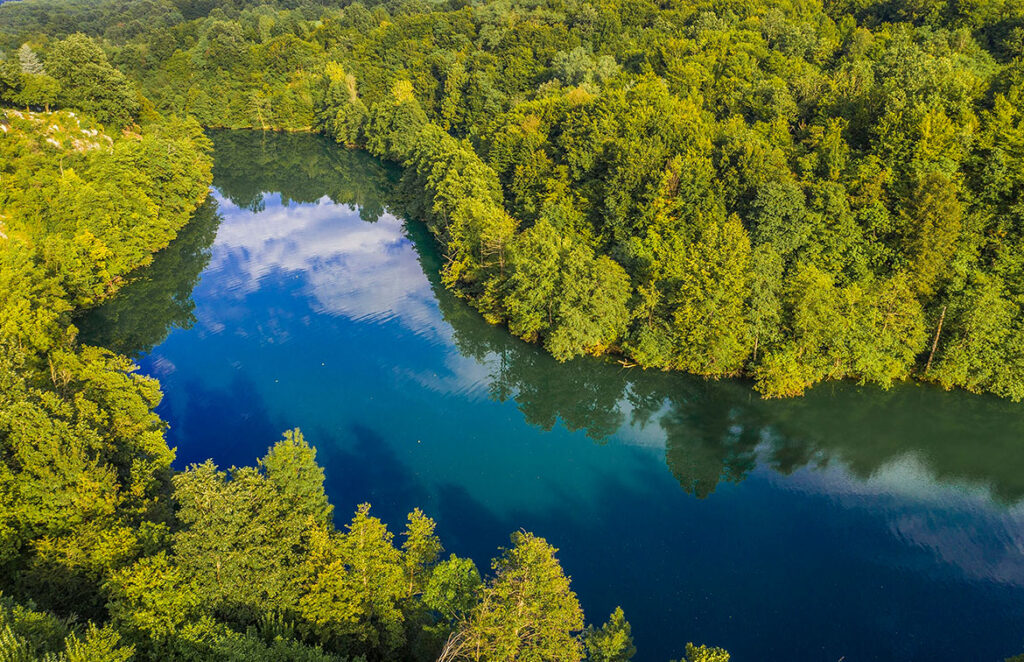
River management is often imagined as a formalised process of prohibition — for people living in communities along the rivers, that is usually the first thought the day after an area is declared protected. The reality is different, but to see it clearly we need to be precise about what management actually is.
Declaring an area protected does not in itself guarantee that its natural values will be preserved in the long term. Putting protection into practice requires someone to actively manage the protected area, that is, to implement the appropriate protection measures. Without that, a protected area exists only on paper.
Designation is a decision; management is a long-term commitment
Establishing a protected area is a legal decision aimed at preserving the natural values of that area, among them, often, its freshwater ecosystems. Taking such a decision is a precondition for conserving an area with all its natural values: it sets the boundaries of the area, its status and the basic protection measures, and it appoints the management authority, the legal entity that will be responsible for implementing protection.
Management is everything that comes after designation — the day-to-day work through which those measures are actually carried out. All of it is set out in the management plan, the managing body’s core strategic and operational document, and it has to rest on good cooperation with everyone who uses the area, above all with local residents. Without a management authority, without a plan, and without cooperation with stakeholders, a protected area remains a name on a map.
What management involves
Management means far more than guarding:
- care for the area and implementation of the measures prescribed by the designation act and the management plan
- planning and implementing active conservation measures, which improve the condition of natural values rather than merely maintaining it
- monitoring and research, and not only of biodiversity, but also of the social and economic aspects relevant to management
- outreach and education
- communication and cooperation with everyone who uses the area
- building the authority’s own capacity, so that it can meet all of the above
The last two are the ones most often overlooked, and precisely the ones the community feels most.
Who can be a management authority?
The management authority is the organisation that officially runs the area, in line with the legislation of each country. It can be a public institution, a public enterprise, a local self-government unit, and even a civil society organisation or another entity with the knowledge and resources to take on the management process.
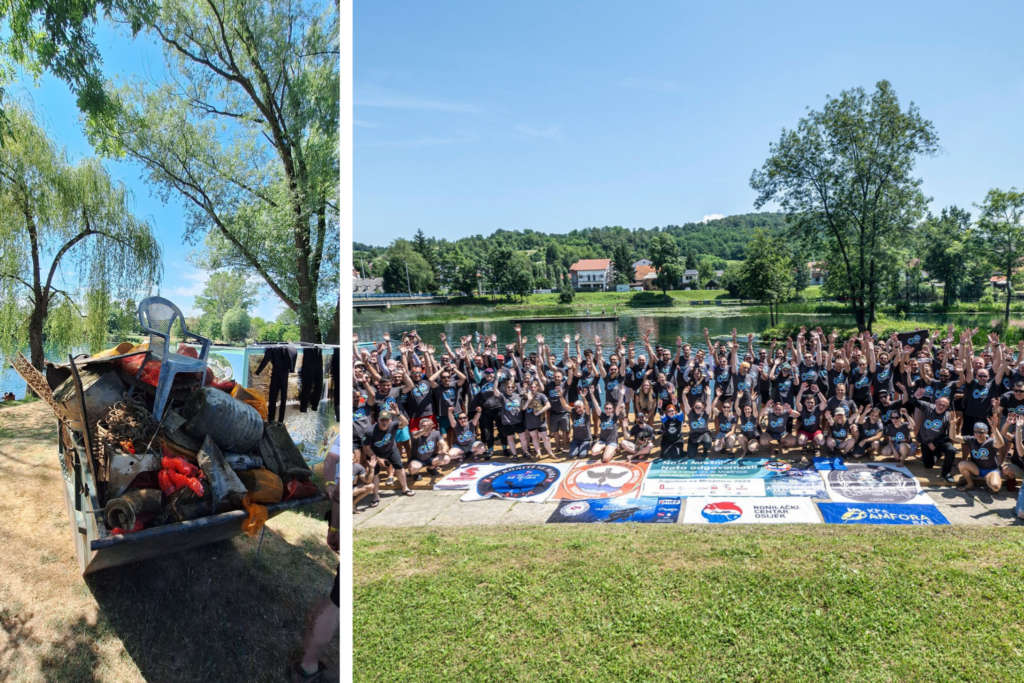
Since the launch of the United for Rivers initiative, The Nature Conservancy and its local partners have contributed to the protection of four rivers, that is, supported management in four areas. Two of them are on the Mrežnica and Tounjčica rivers in Croatia (designated as a significant landscape and a natural monument); since 2024, the area has been in the care of the public institution Natura Viva.
Antonija Bišćan, director of Natura Viva, says the designation process was demanding both technically and administratively, and just as much in the conversation with everyone who uses the area — documentation had to be prepared together with the responsible ministry and institute, different interests reconciled, and the practical meaning of protection explained.
“Designation was a major turning point, but day-to-day management requires continuously securing people, equipment and cooperation in the field.”
The institution today employs twelve people, five of them nature rangers, two of those on fixed-term project contracts. They need more rangers and field vehicles — without vehicles there is no going out into the field. Alongside warnings and education, they have also begun issuing their first penalties.
Canoeing shows best what management looks like in practice. Before concession permits were introduced, a study analysed the condition of the tufa barriers and set out guidelines for canoe use, while safety measures were prescribed in cooperation with the Croatian Mountain Rescue Service. The study found that one waterfall was overburdened, so a ramp was installed — a chute for canoes to pass down. The introduction of fees met with resistance from some permit holders, and the ramp too had its opponents at first. Today everyone accepts it, participants find it appealing, and their groups no longer descend onto the waterfall itself, which has reduced the pressure on it. A carrying capacity study for visitors and activities in the area was also carried out, and on that basis the total number of boats on the river has been reduced through the concession contracts.
The work is not finished. The waterfall is still under pressure from other visitors, so Natura Viva hands out leaflets and explains why tufa is fragile and why it should not be walked on, and a decision is being drafted that will regulate the use of that space more precisely.
Mrežnica shows a pattern that repeats wherever management genuinely works: an activity is not shut down, it is regulated and brought into line with conservation objectives.
Designation is a signature; management is what you see on the river
Where management is done properly, the question after designation is no longer what am I not allowed to do. The question is who is responsible for the river from now on, and what they plan to do.
The groundwork for that is laid before designation. A protection study (or a comparable document) defines the boundaries of the area, the zones and the protection regimes, which are then confirmed by the designation decision. How those boundaries are drawn, who decides on them and how to take part in that process is the subject of the next article.