
When people hear about nature protection, many immediately think of restrictions: that development will no longer be allowed, that farming activities will be curtailed, or that access to familiar areas will be limited. In reality, natureconservation is far more nuanced. Well-designed protection measures are not intended to stop life and development, but to ensure that both can continue in ways that preserve the most valuable natural areas for future generations.
The basic conservation measures for a protected area are established through the legal act by which that area is designated. The way these measures are defined depends largely on the national legal framework. At a minimum, the designation act defines the boundaries of the protected area. In some countries, such as Serbia, it also establishes protection zones within the area and specifies the restrictions and limitations that apply to each of them.
The next level of planning is the Management Plan, which sets out the specific protection and management measures to be implemented. This document details how the natural values of the protected area will be safeguarded over time.
What Do Conservation Measures Include?
A common misconception is that “everything is prohibited” in protected areas and that no activities can take place there. In practice, most protected areas prohibit only those activities that may have a significant negative impact on natural values. Some activities are regulated or limited to prevent damage, while others are actively encouraged because they can contribute positively to conservation objectives.
Importantly, the same conservation measures do not usually apply across an entire protected area. Protected areas are divided into zones, each with a distinct set of rules and management measures based on its ecological characteristics and conservation importance.
Most often, three types of protection zones are defined:
- Strict Protection Zone – where nearly all human activities are prohibited, except for scientific research and carefully managed visitation.
- Active Management Zone – where certain interventions are permitted, but only when they support the conservation of natural values.
- Sustainable Use Zone – where activities such as agriculture or forestry may be allowed, provided they do not have a significant negative impact on the area’s key natural features.
The names of these zones, as well as the specific regulations that apply within them, may vary from country to country.
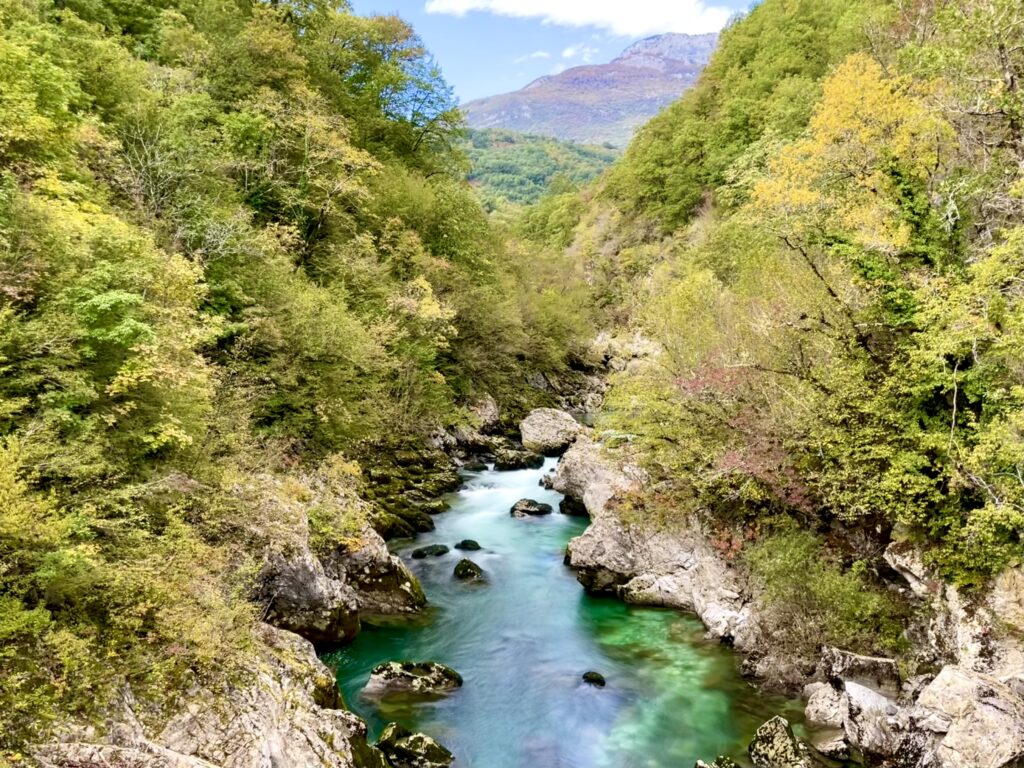
A good example can be found in Montenegro and the protection study for “Rijeka Mrtvica and its Surroundings.” The study proposes dividing the protected area into Zone II and Zone III protection regimes. In Zone II, the construction of new facilities and infrastructure is prohibited. In contrast, Zone III allows settlement development and supporting infrastructure, provided that these activities do not undermine the core values for which the area has been proposed for protection. This illustrates how zoning makes conservation more adaptable to local conditions: the most valuable and sensitive areas are subject to stricter measures, while less sensitive areas can continue to support certain activities and development under clearly defined conditions.
“Zoning is one of the most important tools for managing protected areas because it enables different parts of a landscape to be protected according to their ecological value and sensitivity. In the case of Mrtvica, the proposed zoning allows for the conservation of exceptionally valuable river, canyon, and forest ecosystems while also taking into account the needs of local communities. The key point is that protection does not mean imposing the same restrictions across the entire area. Instead, it creates clear rules that safeguard the most valuable habitats and species while allowing traditional activities and the sustainable use of natural resources where appropriate,” says Milija Čabarkapa, Director of Eko Tim, the organization that initiated the protection proposal.
Conservation measures are not limited to restrictions and prohibitions. Equally important are active conservation measures, through which protected area managers and other stakeholders carry out activities aimed at maintaining or restoring natural values. These may include restoring degraded wetlands, removing invasive species, or establishing feeding sites for vultures and large carnivores.
Conservation measures also encompass education and outreach activities, which help build public support and ensure the long-term success of protection efforts.
At the same time, nature protection does not have to be an obstacle to local development. As Čabarkapa points out, the Mrtvica example demonstrates how well-designed conservation measures and effective zoning can balance the protection of exceptional natural values with the interests of local communities. Such an approach does not involve taking away property rights or excluding people from the landscape. Instead, it allows traditional activities to continue while creating new opportunities for sustainable tourism, the promotion of local products, and additional sources of income.
Ultimately, nature conservation is much more than a list of restrictions. Zoning helps direct activities to places where they are appropriate, while active conservation measures ensure that ecosystems are maintained and restored. Effective protection is about actively managing a landscape, not closing it off.