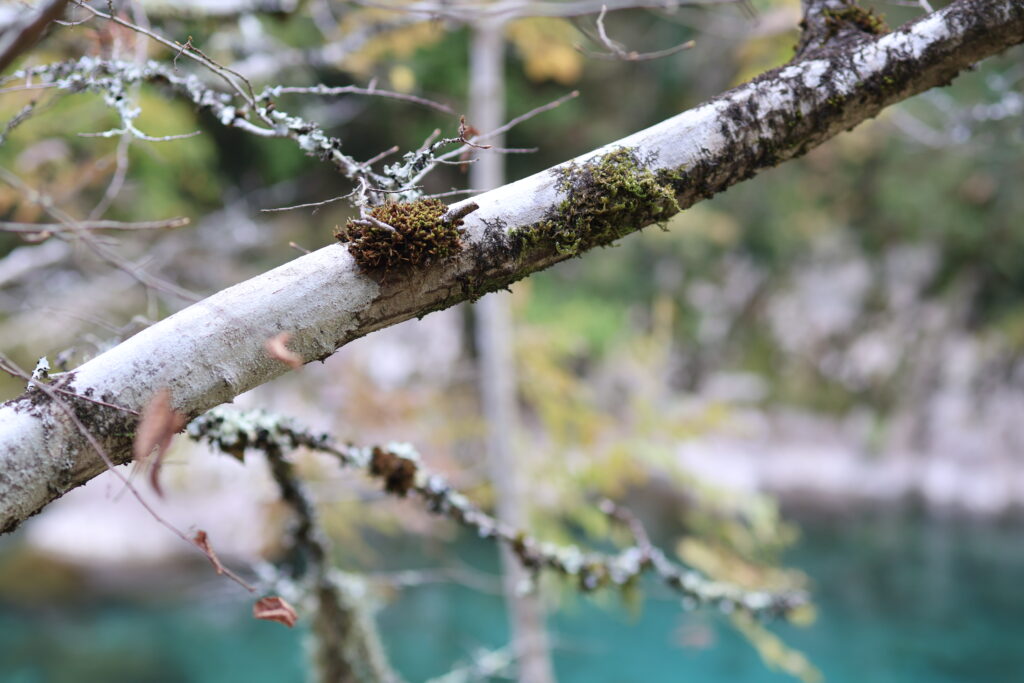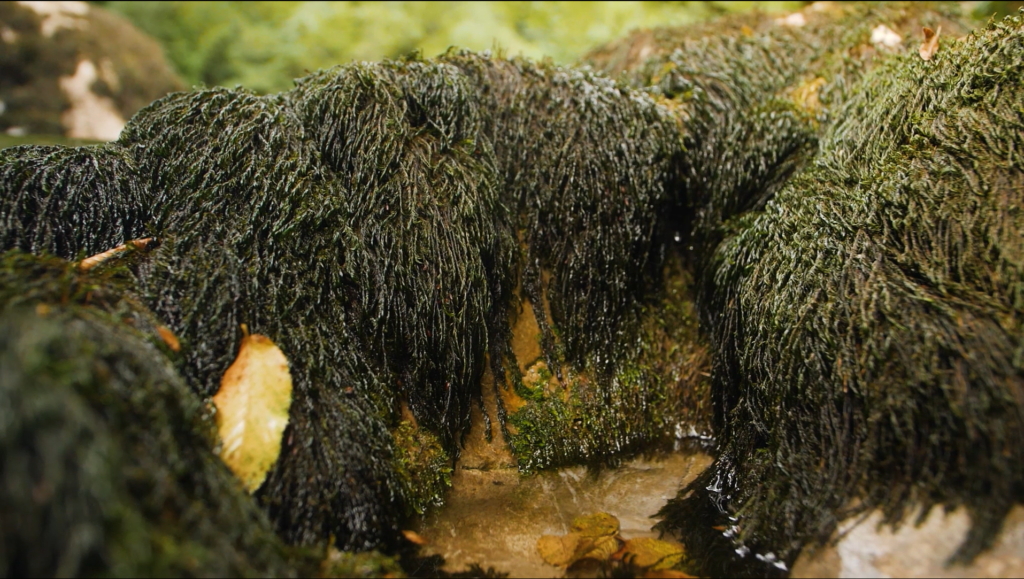
When we visit the Mrtvica Canyon, our attention is usually drawn to its emerald waters, steep cliffs, and countless waterfalls. However, one important element of this unique ecosystem is often left unnoticed. Mosses, the tiny green plants that cover rocks, riverbanks, and waterfalls, play a far greater role than it may seem at first glance.
Although they are among the oldest land plants on Earth, mosses remain an irreplaceable part of natural ecosystems today. Like sponges, they retain moisture, protect soil from drying out and erosion, and create conditions that support the life of many other organisms. Thanks to them, small, humid habitats develop, providing ideal conditions for a variety of plants, fungi, and tiny animals.
Mrtvica Canyon offers ideal conditions for their growth. Clean water, constant humidity, the shade provided by steep cliffs, and diverse limestone substrates have enabled an exceptionally rich moss flora to thrive. Research conducted in the canyon has documented as many as 122 species, representing approximately one-fifth of all moss species known in Montenegro. For an area stretching only a few kilometers, this is an extraordinary concentration of biodiversity.
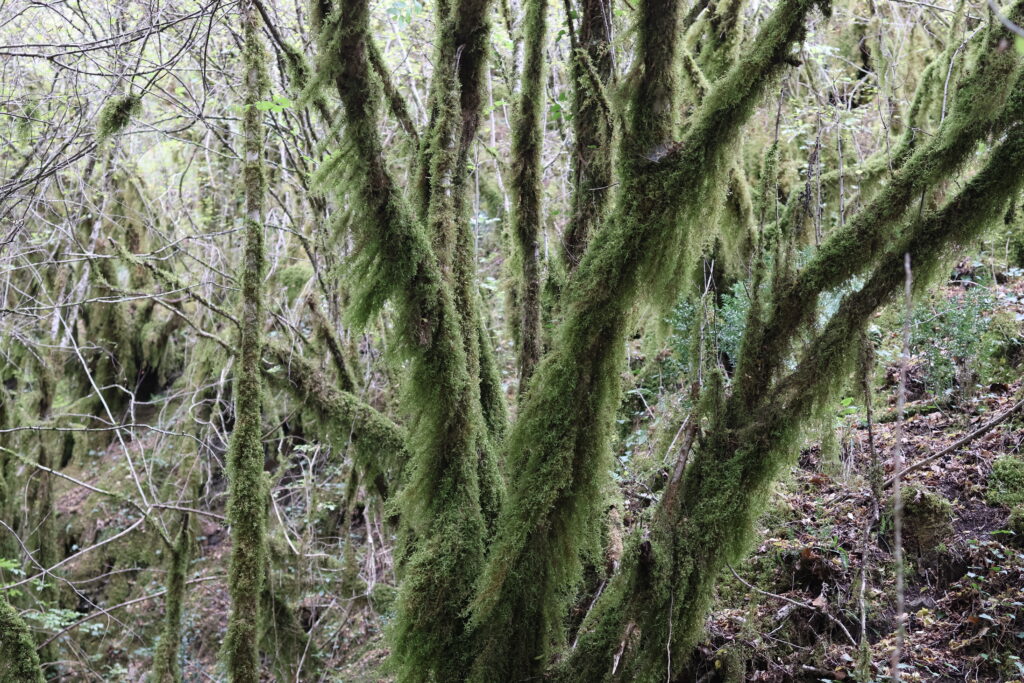
But their importance doesn’t stop here.
In Mrtvica, mosses are not only its inhabitants, but also its builders. At several locations along the riverbed, they form tufa barriers. Through the combined activity of mosses, algae, and bacteria, calcium carbonate is deposited from the water, gradually creating tufa, a porous rock characteristic of karst rivers. However, tufa formation is a highly sensitive process that requires specific biochemical conditions, and any change in water quality or natural environmental conditions can affect these processes, which occur almost imperceptibly.
Over decades and centuries, this process shapes waterfalls and other natural formations that give the Mrtvica its distinctive appearance. One such example is the Bijeli Nerini Springs, a natural phenomenon of the Mrtvica River, where 43 moss species have been recorded. In other words, without mosses, part of the landscape we now perceive as natural and unchanging would not exist.
This is why mosses are much more than a green cover along the riverbanks. They are indicators of a well-preserved natural environment, an important part of the canyon’s biodiversity, and silent allies in creating its natural values.
While most visitors to the Mrtvica photograph its waterfalls, pools, and cliffs, few realize that behind this landscape lies a world of tiny plants that have been helping shape it for centuries. This is precisely one of the Mrtvica’s unique features: its greatest treasures are not always the ones that are visible at first glance.